

As 2026 gets underway, Managing Principal Andrew Horwood describes the key milestones that will shape the year for government, those who work with it, and those affected by its decisions. Election year will go fast, so it’s handy to know which signposts to look out for.
Start your engines
Strap in folks, cos it’s election year and Parliament’s engine is revving.
The Government has only a handful of months left to progress its agenda before seeking a new mandate from voters, and you bet it’ll want to make the most of every second of House time. As the drivers buckle up, here are the milestones to look for.
Political milestones
The political year kicks off with some well-established set pieces. This article describes those set piece events – I’ll leave comments on the political machinations to political commentators.
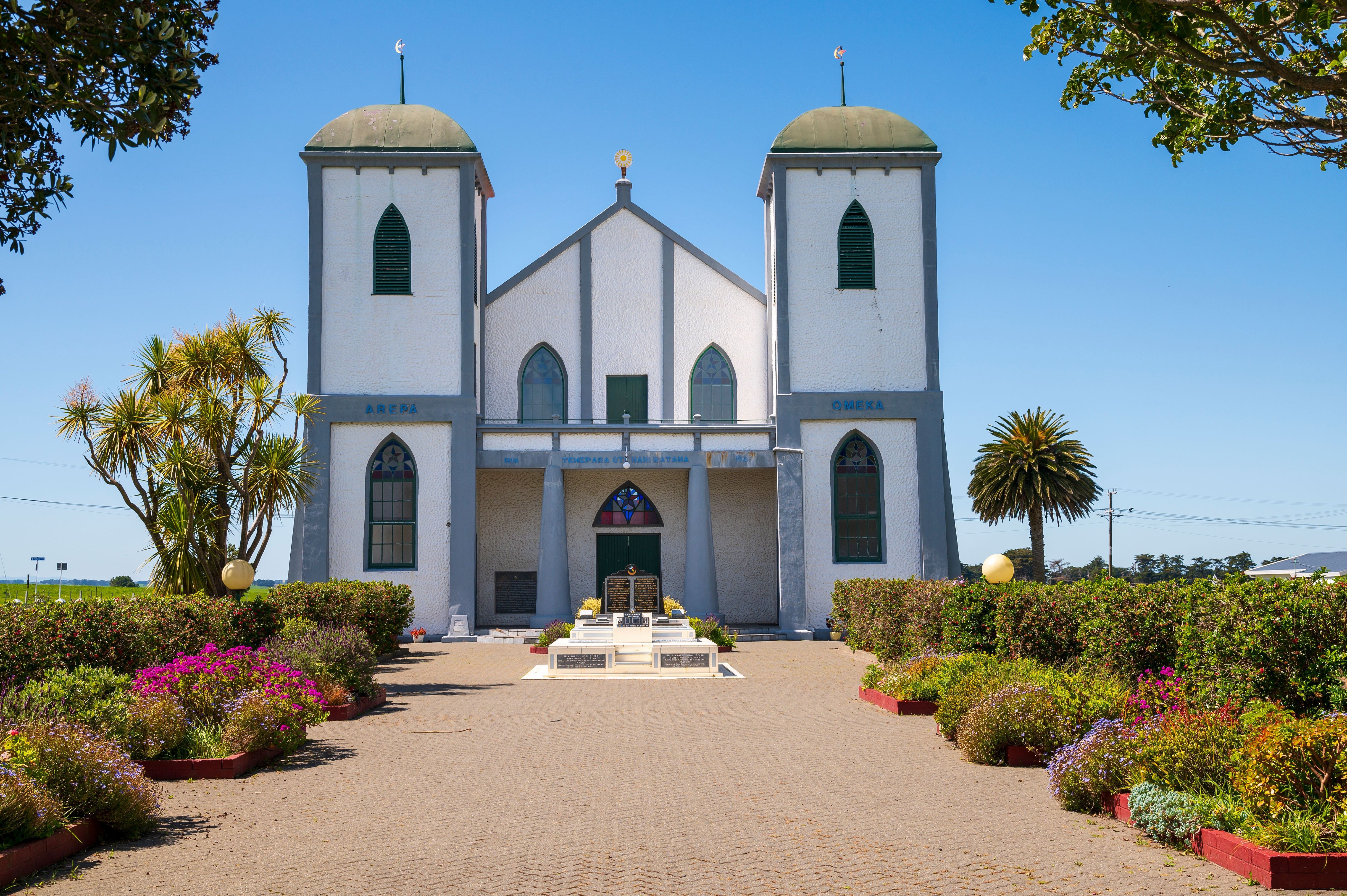
Religion and politics at Rātana Pā
In late January, political leaders across parties attend services at Rātana Pā near Whanganui, building on a tradition that blends spiritual observance with political engagement. (The timing reflects the birth of Tahupōtiki Wiremu Rātana, founder of the Rātana church, on 24 January.)
State of the Nation speech
Prime Ministers tend to deliver a “State of the Nation” speech in January or February, where they frame the political agenda and outline goals, priorities, and a vision for the country. Expect this year’s State of the Nation speech to be no different and to offer some fairly clear signals as to how the Government will use House time before the election.
Waitangi Day
Political leaders generally celebrate Waitangi Day (6 February), although not always at the Treaty Grounds. While the ceremonies and associated conversations are important, Waitangi Day rarely features momentous policy announcements.
Announcing the election date
Victoria law Professor Dean Knight argues that a convention has developed that obliges the Prime Minister to announce the election date near the start of the year. We think it likely that the current Prime Minister will follow his predecessors on this.
For the record, most pundits are picking 7 November. We’ll publish more about the campaign period closer to the time.

A Cabinet reshuffle?
Finally, Prime Ministers often announce Cabinet reshuffles early in the year. Pundits don’t expect one this year, but you should keep an eye out nonetheless to see if the minister for your sector changes.
A change of minister can provide an opportunity for a shift of some kind in the sector – sometimes for work on a new policy or initiative to start, sometimes for existing work to stop.
Parliamentary milestones
Kicking off the year with the PM’s statement and debate
On the last sitting day of the previous year, Parliament confirms the sitting calendar for the upcoming year. In December, MPs confirmed that the parliamentary year will start on 27 January, the first sitting day.
According to Standing Orders:
“At 2 pm on the first sitting day of each year, the Prime Minister must present in the House a statement reviewing public affairs and outlining the Government’s legislative and other policy intentions for the next 12 months.”
A debate on the PM’s statement will follow, with the Leader of the Opposition taking the first call.
Select Committee deadlines
Select Committees will be busy scrutinising bills and other matters to enable government business to progress this year. The deadlines for submissions on several bills arrive in early 2026.
In particular, the Environment Committee is receiving submissions on the draft legislation to replace the Resource Management Act. Submissions on the bills – the Planning Bill and the Natural Environment Bill – must be in by 13 February.
Another mid-February deadline is for the Crimes Amendment Bill, which would “strengthen consequences for certain crimes”. The Justice Committee is seeking submissions by 16 February. The Justice Committee is also seeking submissions on the Inquiry into the 2025 Local Elections by 27 February.
The full list of Bills before Select Committee is here.

The Legislative Programme: Prioritising the most important business
Perhaps most importantly, the Government will be planning how it wants to use House sitting time to pass legislation and progress other business.
Government bills are managed through the Legislation Programme. The Department of the Prime Minister and Cabinet describes how this is put together:
“Towards the end of each year, Ministers are invited, through a Cabinet Office circular, to put in proposals (bids) to include bills in the Legislation Programme for the upcoming year. The Legislation Programme comprises groups of existing or proposed government bills in descending priority order.”
The Legislation Programme guides not only how House time is allocated, but also the work of the Parliamentary Counsel Office in drafting bills.
It can easily take 12 months or more for a Bill to pass into law, working from introduction through Select Committee to Royal assent. And before that, policy work leading to a Bill being introduced can easily take another 12 months or more.
So to have the best chance of passing before the election, legislation needs to be prioritised in the Legislation Programme, if it’s not already on the Order Paper. The Government may look to use urgency to get through the heavy legislative programme that’s underway.
Which legislation gets prioritised
The Cabinet Manual notes that the Legislation Programme is confidential, although subject to the Official Information Act 1982. Governments tend to hold this document tightly. However, the categories that determine prioritisation are publicly available here.
The categories include, in descending order of priority:
- first, bills that must be passed before the 2026 General Election, either as a matter of law, like appropriation bills, or to meet a specific deadline, like a Government commitment or a mandatory deadline
- bills that are a Government priority to be passed before the General Election
- bills that are to be passed before the General Election if possible, but that aren’t in any of the categories above
- bills that are to proceed to Select Committee before the General Election, because of their size, complexity, timing, or priority
- bills for which drafting instructions will be issued to the Parliamentary Counsel Office in the 2026 calendar year
- and then bills where policy development will continue, and bills that will go on hold and not advance or will be withdrawn.
Cabinet may review the legislation programme formally from time to time during the year and adjust priorities as necessary.

Strap yourselves in …
… because this year is going to go very fast.
The Government will want to frame its 2026 agenda early in the year through the State of the Nation address and the Prime Minister’s statement on Parliament’s first sitting day. It will then use the remaining House time to advance as much government business as possible, prioritising the legislation it most wants to progress.
For officials and stakeholders this election year will fly by – so strap in.