
Daniel Wright looks at recent signals from New Zealand’s two major political parties about their trade ambitions if elected in November.
Back in early July, Christopher Luxon announced that, if re-elected, National will pursue preferential trade agreements with seven new markets – Brazil, Argentina, Uruguay, Bangladesh, Nigeria, Switzerland, and Switzerland’s three fellow member countries of the European Free Trade Association (Norway, Iceland, and Liechtenstein).
New Zealand already has one of the biggest trade agreement networks in the world, covering three-quarters of our goods exports. Coming off the back of recent agreements with India, the EU, and the UK, National’s announced intentions would present a heavy work programme for our trade officials.
.jpg)
It’s about widening and diversifying our markets
Like most countries, our trade is highly concentrated in a few markets. In 2025, more than 50% went to a total of four markets – China, Australia, the US, and the EU. China alone accounted for 25%.
Concentrated trade is normal and is usually driven by proximity and the size of the markets. But concentration also comes with risks, making our exports potentially vulnerable to a change in policy from a trade partner, a problem with supply chains, or a shift in consumer preferences in a key market.
New Zealand has long sought opportunities to diversify its export markets through preferential access. We now have a long list of agreements in place, covering 77% of our goods exports in 2025, and a further 3% covered by agreements that are signed but not yet in force.
Other than the US, where 11.7% of our exports went in 2025, no one country makes up more than 1% of New Zealand’s exports without benefiting from a trade agreement in force, or pre-ratification.
Access gains are usually incremental
Gains in trade access rarely arrive in single dramatic leaps. The seven markets covered in National’s July announcement together account for only 1.5% of our export trade, and so the negotiations will be less about scale and more about diversifying access through a larger web of agreements and building greater resilience to trade barriers.
Together, agreements with those seven countries would widen the map, offering more routes into key markets in continents where our current trade access is poor – Latin America, South Asia, and Africa.
Bipartisan support for pursuing trade opportunities continues
Labour has shown support for trade liberalisation efforts throughout this term: it welcomed the trade agreement with the EU that came into force in 2024, and it has confirmed it will support ratifying the India FTA that this Government negotiated.
There has been pushback from other parties, with the Greens, Te Pāti Māori, and New Zealand First all voting against the ratification Bill at first reading. But the support from the two major parties indicates a strong shared belief that opening up markets still matters. National and Labour are still looking at New Zealand’s international trade with opportunity and diversification in mind.
New Zealand isn’t joining the current protectionist wave
The two main parties’ statements also suggest a doubling down among the New Zealand political establishment in backing the rules-based international world order, which has come under increasing pressure from the world’s major economies.
Strategically then, it seems New Zealand is still championing international trade rules in a world that is looking more protectionist. The World Trade Organization’s latest monitoring says the value of global goods imports affected by new tariffs and other import measures rose more than fourfold in the year to mid-October 2025, the highest coverage in more than 15 years.
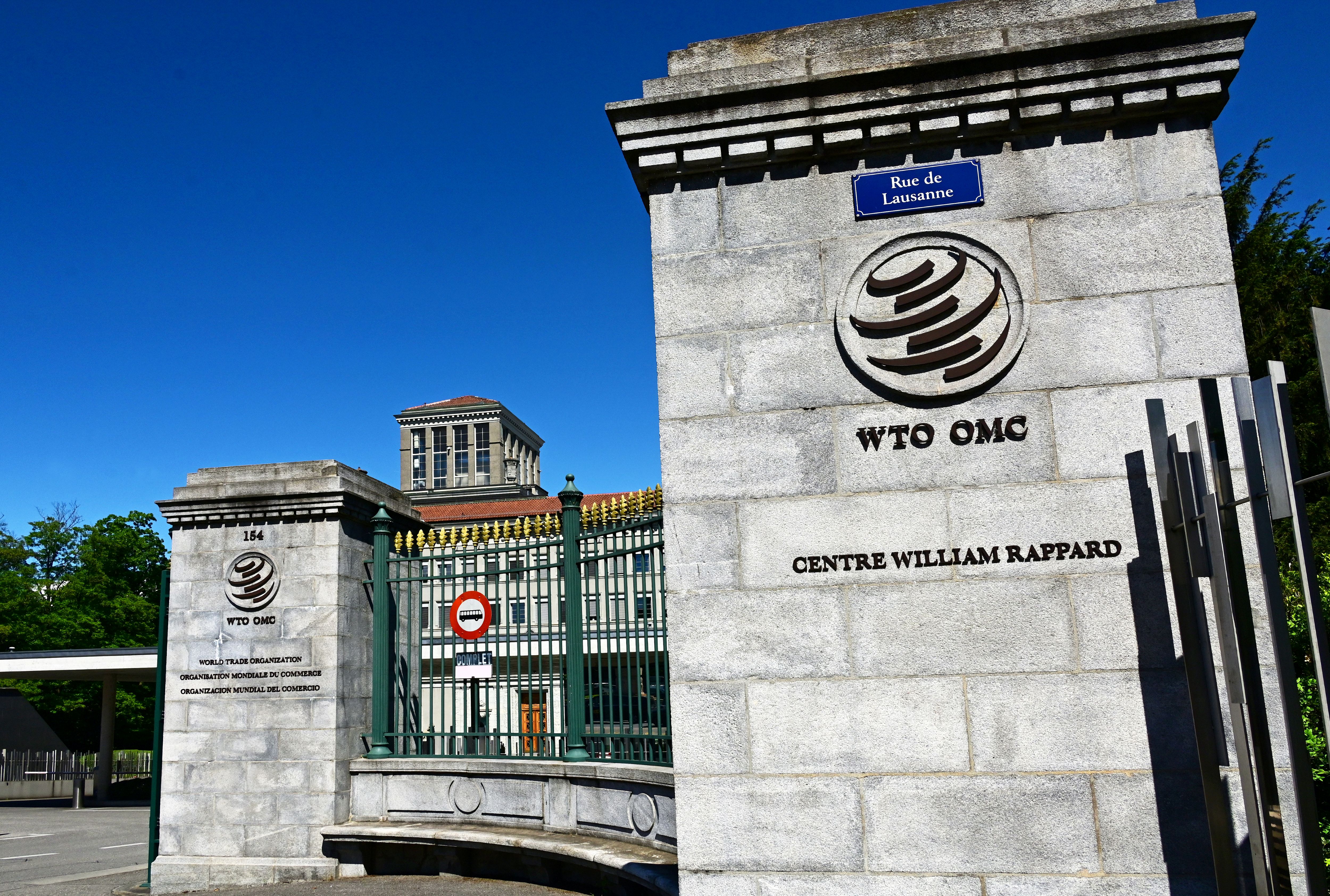
At the same time, the WTO notes that more than 80% of global goods trade still moves on a most-favoured-nation basis (that is, without preferential trade access).
The current New Zealand Government has worked to widen options and keep backing rules. Alongside the recent announcement from the PM, The Government’s current trade programme includes implementing the FTA with India, ongoing CPTPP work, a joint statement on trade disruptions, and a cross-party delegation to WTO negotiations in March 2026.
It looks like New Zealand, for the sake of its own economic prosperity, will continue to clearly stand on the side of liberalisation.
In the coming weeks, I’ll be exploring some of the markets covered by the July announcement, including their existing trade profile and what sort of access New Zealand exporters might be able to expect.
Note on sources: The export figures in this article are based on calendar year 2025, and account for all goods trade to those countries – that is, the figures given do not account for goods not offered preferential access, or other factors like compliance with Rules of Origin.