
Kate Clark explains how small shifts in the daily mechanics of work can enable and re-energise teams worn out by change and new demands.
At the end of 2024, I’d hit a particularly low point, tired and emotionally drained. The year had caught up on me to a point where I no longer recognised myself. I didn’t feel how I wanted to feel, every day was a grind, and I was looking around for ways to make that feel different.
I made a few changes to my routine, tried to improve my diet, made an effort to exercise – the usual New Year’s resolution activities. But one thing that has made a lasting difference came as a surprise.
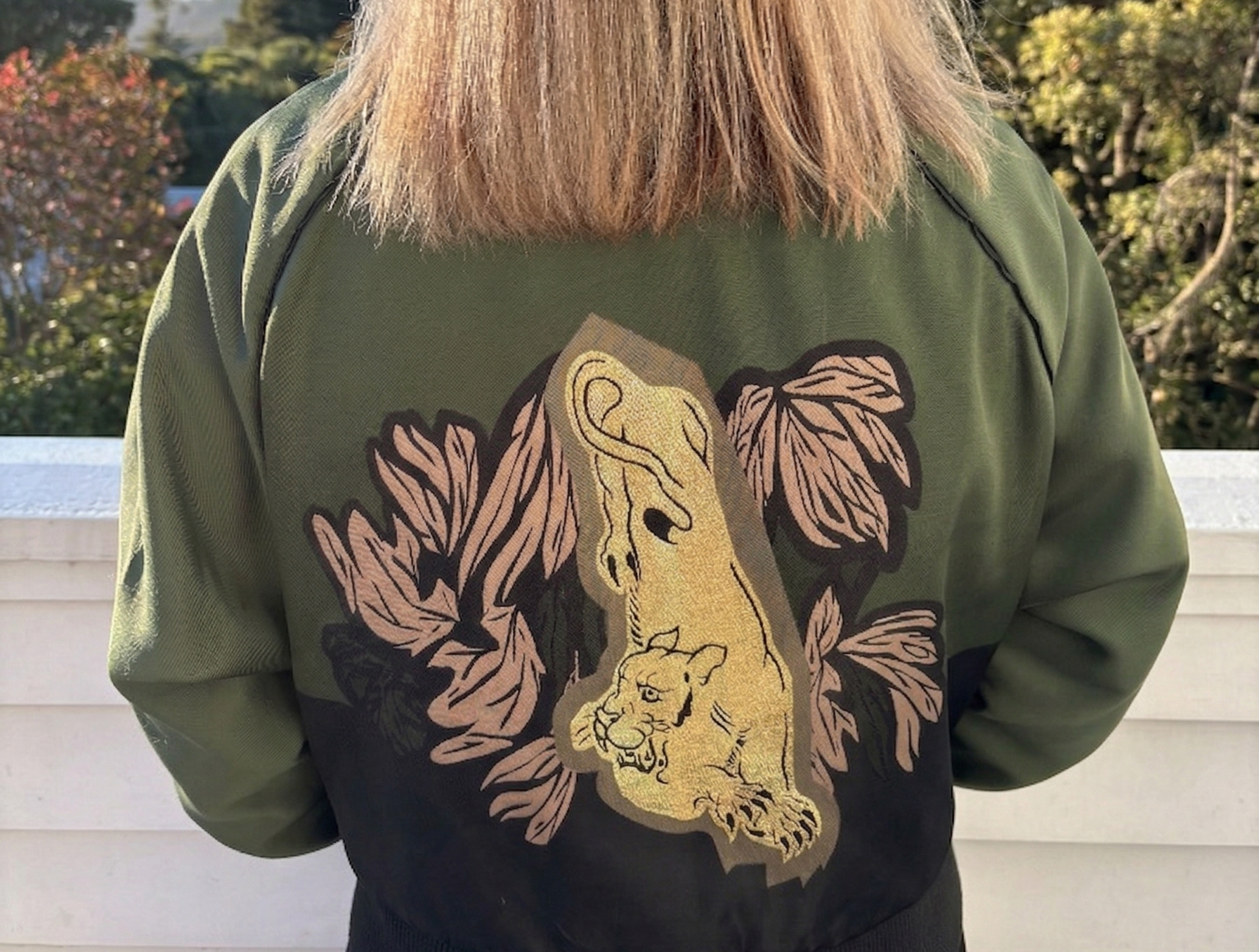
I went into a Wellington second-hand shop – the curated kind because I can’t manage a jumble – and I came across a green and black bomber jacket with a gold tiger on it. The jacket was too big and the price wasn’t very “second-hand”, but I loved it! Not because I thought I’d look great in it, but because I knew that every time I put it on I would feel fierce and strong. Which was exactly what I was looking for.
.jpg)
I wondered if other items could do the same. How would I feel if I wore a bright colour? What would something sparkly do? I went a bit mad buying on Trade Me to help give me the lift that I needed. And every day for just over a year now, I’ve been going into my wardrobe and asking myself in the morning: How do I want to feel today? How am I going to show up?
Slowly but surely over 2025, I became re-energised. The colour I wore gave me a little lift on the days when I didn’t have it myself, until I did. And sparkles and fun with clothes energised me until I had the energy myself.
What I did with clothes I also apply to organisational change
That’s not because clothes are important in themselves, but because of how change actually happened. I didn’t wake up one morning and decide to become a different person. There was no grand plan or vision statement. Instead, I changed one small, repeatable thing in my environment. I made it easier to feel the way I wanted to feel.
James Clear, in his Atomic habits, talks about the importance of identity for making change last. If the identity part isn’t working, we don’t rise to the level of our ambitions, we fall to the level of our systems. Lasting change happens when everyday behaviours reinforce who we believe we are becoming.
That’s exactly what the jacket did. It wasn’t motivation, it was a cue that nudged me towards a different way of showing up. The behaviour came first, and the energy followed.

Having a plan is not the same as living it
We often start organisational change in very sensible places. We begin with the equivalent of a New Year’s resolution – a new strategy or operating model, or a refreshed set of values.
Don’t get me wrong, these things really matter. Just like a resolution to improve your diet or exercise regularly, they create direction, intent, and coherence. I spend a lot of my time helping organisations do exactly this.
But anyone who has tried to change their habits also knows that having the plan is not the same as living it. Where change often falls down is not in the ambition, but in what happens next, in the translation from strategy into the small, everyday moments of work.
Awareness and desire are only part of the answer
When people are already under pressure, tired, or managing sustained change, asking them to simply “try harder” can feel to them like one more thing to carry. What we see again and again in our work at MartinJenkins is not resistance to change, but resistance to exhaustion.
One of the most useful frameworks I’ve found for bridging this gap is “ADKAR”: Awareness, Desire, Knowledge, Ability, and Reinforcement. What I value about it is that it reminds us that change is experienced person by person, not just by organisations.
Looking back I can see that, unintentionally, my wardrobe experiment had all the ADKAR ingredients:
- Awareness: I knew something wasn’t working.
- Desire: I wanted to feel strong again.
- Knowledge: I worked out one small thing that might help.
- Ability: I made it easy – open wardrobe, ask one question.
- Reinforcement: Each time it worked, I repeated it.
We often invest heavily in Awareness and Knowledge: the case for change, the design, the roadmap. We put far less effort into Ability and Reinforcement: reshaping systems, routines, and signals so the new way of working becomes the easiest way to work.
The insight for organisations here isn’t “Don’t do strategy” – it’s “Don’t stop at strategy”.
What tools are you putting within your people’s reach to help them show up?
This is where James Clear’s thinking becomes especially useful at an organisational level. Ask yourself a range of questions to make sure you are focussed on achieving the outcomes you are looking for from your strategy.
If you want people to collaborate more, what makes collaboration the default? If you want leaders to empower their teams, what routines reward letting go rather than holding on? If you want a new operating model to stick, what daily habits does it actually require?
In other words, what are you putting within reach that helps people show up the way the strategy asks them to? In our work, we often see change succeed not when organisations ask for more effort, but when they redesign the small, ordinary mechanics of work, like meetings, decision rights, information flows, and rhythms and routines.
These are the places where identity is formed and reinforced. It’s not in strategy decks, but in what happens on a Tuesday afternoon when pressure is on.
Small triggers can help unleash dramatic change
Looking back on my bomber jacket adventure, nothing I did was particularly bold. But it was intentional. That’s the lesson I keep coming back to in organisational change.
Sustainable transformation isn’t about forcing a leap. It’s about creating the conditions where a different way of being becomes possible, and then normal – simply “how we do things around here”.
Sometimes, that starts with a jacket.